
Chronology
The dynasties
How Egyptologists divide three millennia into thirty-odd dynasties and the Old, Middle and New Kingdoms — and why the "intermediate periods" matter as much as the golden ages.
Explore the dynasties →Ancient Egyptian history is vast, and most of what circulates online is either a tourist caption or an academic paper. We sit in between: accurate, readable explanations of the dynasties, the rulers, the writing system and the everyday life behind the monuments — the kind of thing a curious student, a teacher building a lesson, or a traveller who wants context can actually use.
Everything here is written for understanding, not for ranking — no pop-ups, no autoplay, no "ancient aliens." Where scholars disagree, we say so; where dates are approximate, we mark them. The aim is a reference you can trust and cite, free to read in full.
Each opens onto a fuller section. Follow whichever question brought you here.
How Egyptologists divide three millennia into thirty-odd dynasties and the Old, Middle and New Kingdoms — and why the "intermediate periods" matter as much as the golden ages.
Explore the dynasties →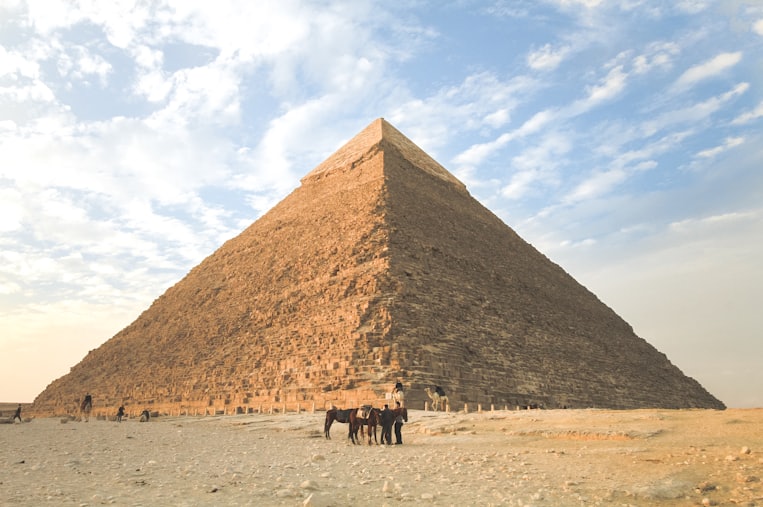
From Narmer and Khufu to Hatshepsut, Akhenaten, Tutankhamun and Ramesses II — who actually did what, separated from the legends that grew around them.
Meet the pharaohs →
What the script really is — part alphabet, part syllabary, part picture — how Champollion cracked it with the Rosetta Stone, and how to read a cartouche yourself.
Learn the script →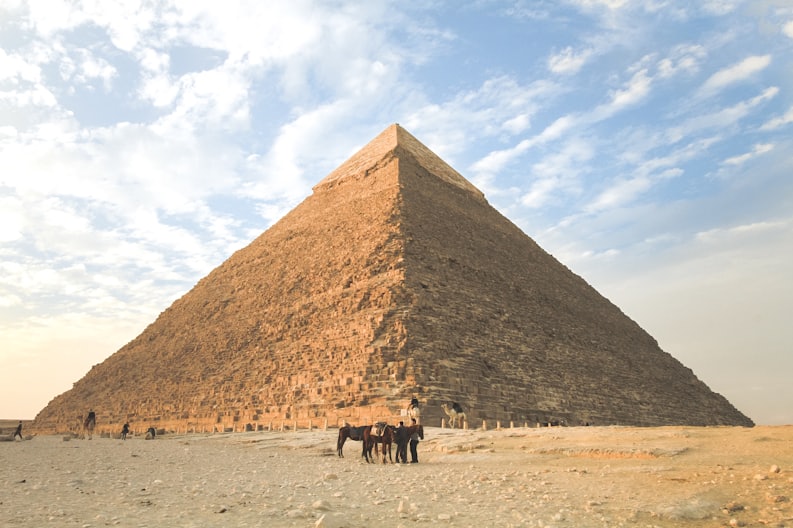
Bread, beer, farming the flood, building the monuments, schooling scribes and keeping house — what ordinary Egyptians ate, wore, owed and believed.
See daily life →
Ra, Osiris, Isis, Anubis and the rest — the major myths, the afterlife and mummification, and how religion shaped everything from kingship to the calendar.
Enter the pantheon →
A single scrollable chronology from predynastic Egypt to the Roman conquest, with the key events, rulers and turning points placed in order.
Open the timeline →The broad eras every overview rests on. The dedicated timeline fills in the detail.
Upper and Lower Egypt unified under the first kings; Memphis founded; writing and the centralised state take shape.
Djoser's step pyramid at Saqqara and the great pyramids of Giza; a powerful, god-king monarchy at its height.
Reunification after collapse, a literary golden age, and expansion south into Nubia.
Hatshepsut, Akhenaten's religious revolution, Tutankhamun, and Ramesses II; Egypt at its richest and most far-reaching.
Alexander, the Ptolemies, the Library of Alexandria, and finally Cleopatra VII — the last pharaoh before Rome.
Search "ancient Egypt" and you get a wall of thin captions, ad-stuffed listicles and fringe theories. Teachers can't assign it; students can't cite it; travellers come away with myths. We built this trust to put a reliable, plainly-written account in one place — long enough to be useful, careful enough to be trusted, and free of the noise.
Every section is written and checked by people with a background in Egyptology and teaching, then kept current as scholarship shifts. You can read how we work and who we are, browse the study guides built for classrooms, or follow the threads between the pharaohs and the gods they served.
If you're using the material for teaching or research and need something we haven't covered, tell us — reader questions shape what we write next.
We try to write the kind of history that holds up when someone checks it: dates flagged as approximate where the chronology is reconstructed, competing scholarly views noted rather than flattened into a single tidy story, and the difference between solid evidence and popular legend kept visible. The ancient sources — king lists, temple inscriptions, administrative papyri, the accounts of later Greek and Roman writers — each carry their own biases, and good history means weighing them rather than repeating whichever makes the better headline. That care is the whole point of a dedicated reference; it is also why teachers can hand our study guides to a class without first having to correct them.
No paywalls on the history itself. Our paid study plans add structured lesson packs and downloadable worksheets for teachers — the reference stays open to everyone.
By a large, organised workforce of paid labourers and skilled craftsmen — not slaves and not aliens. Workers quarried, hauled and dressed limestone blocks using ramps, sledges, levers and water to ease friction. The evidence comes from workers' villages, tools, and administrative records found near the sites. Our daily life section covers how these crews lived and were fed.
A dynasty is a line of related rulers; a "kingdom" (Old, Middle, New) groups several dynasties into a long era of strong, unified rule. Between the kingdoms came "intermediate periods" of fragmentation. The dynasties page lays out the full scheme.
The basics, yes. You can learn to recognise common signs and read a royal cartouche within an afternoon. Full fluency is a serious study, but our hieroglyphs guide gets you reading names and simple phrases quickly.
Yes — it's written at a level that works for secondary students and general readers, and our study guides are structured for classroom use with worksheets and discussion prompts. Teachers may quote and link freely.
BCE means "Before Common Era," the same as BC. The "c." (circa) marks an approximate date — much of early Egyptian chronology is reconstructed and debated, so we flag uncertainty rather than pretend to a precision the evidence doesn't support.
Open the full timeline, pick a dynasty, or write to us with a question you'd like answered.
Open the timeline